Order Bpc 157 Order BPC-157 (20mg) | Buy Research Peptides
Introduction
If you’re trying to order bpc 157 (20mg) to support recovery, the hard part isn’t just finding a listing—it’s avoiding bad dosing info, unclear sourcing, and product mismatches. In my hands-on work reviewing research-peptide listings and planning peptide handling workflows for lab-style storage environments, I’ve seen the same issues repeatedly: mislabeled concentrations, missing documentation, and unsafe reconstitution assumptions. This guide breaks down what “ordering BPC-157 (20mg)“ should realistically include, what to verify before you buy, and how to set yourself up for consistent, responsible use.
Note: I’ll keep this focused on ordering quality, labeling, and handling considerations—not medical claims.
What “BPC-157 (20mg)” Usually Means When You Order
When sellers say “BPC-157 (20mg),” they typically mean the vial contains a nominal total mass of BPC-157 powder equivalent (commonly described as 20mg per vial). From an ordering and logistics standpoint, that “20mg” label is the anchor for everything else: expected reconstitution volume, how you calculate dosing volumes (not just mg), and whether your plans stay consistent across batches.
Key concepts I verify before purchase
- Concentration clarity: Does the seller specify expected concentration after reconstitution (e.g., how many mg/mL)? If they don’t, you need to do the math based on reconstitution volume you choose.
- Vial and format: Is it one 20mg vial, or multiple vials? “20mg” can be misrepresented as “per vial” versus “total in package.”
- Lot/batch information: If the listing includes a lot number or batch reference, it’s easier to track inconsistencies.
- Documentation: For research peptides, a COA-style document (often specifying identity/purity) can matter—but you should still interpret it carefully and confirm it matches the batch/vial.
How to Order BPC-157 Responsibly (What to Check Before Checkout)
In my experience, most buyer mistakes happen at the “last mile” of ordering: overlooking what the seller actually provides, not what the marketing implies. Here’s the checklist I use when deciding whether a listing is operationally dependable for a research environment.
1) Confirm the exact product and strength
Don’t rely on short listing titles alone. Verify the product page details for:
- “BPC-157” spelled consistently and accurately
- Strength shown as 20mg per vial (or clearly stated otherwise)
- Item count (e.g., 1 vial vs. multiple vials)
2) Require consistency between label, packaging, and documentation
When a listing includes batch/lot references, I cross-check that the documentation aligns to the same batch. If there’s no batch traceability, it doesn’t automatically mean the product is bad—but it makes verification harder, and that matters for repeatability.
3) Evaluate shipping and storage assumptions
Even when you can’t fully control shipping conditions, you can plan for reliable storage once it arrives. I look for:
- Clear guidance on storage temperature (e.g., how to store after receipt)
- Packaging that suggests the seller understands temperature sensitivity
- Shipping timelines that match your storage setup (especially if you receive deliveries when your facility is unattended)
4) Understand reconstitution math before you buy
“Ordering bpc 157” is inseparable from “calculating how much liquid you’ll add.” If you pick a reconstitution volume, you determine your working concentration—and that drives every later measurement.
Example of the workflow logic (not a dosing recommendation): if your vial contains 20mg total, then:
- Working concentration (mg/mL) = total mg ÷ reconstitution volume (mL)
- Then you convert your planned measurement volume (mL) back into mg using that concentration
If a seller’s instructions are incomplete or inconsistent, I treat that as a red flag because it increases the risk of calculation errors.
Product Snapshot
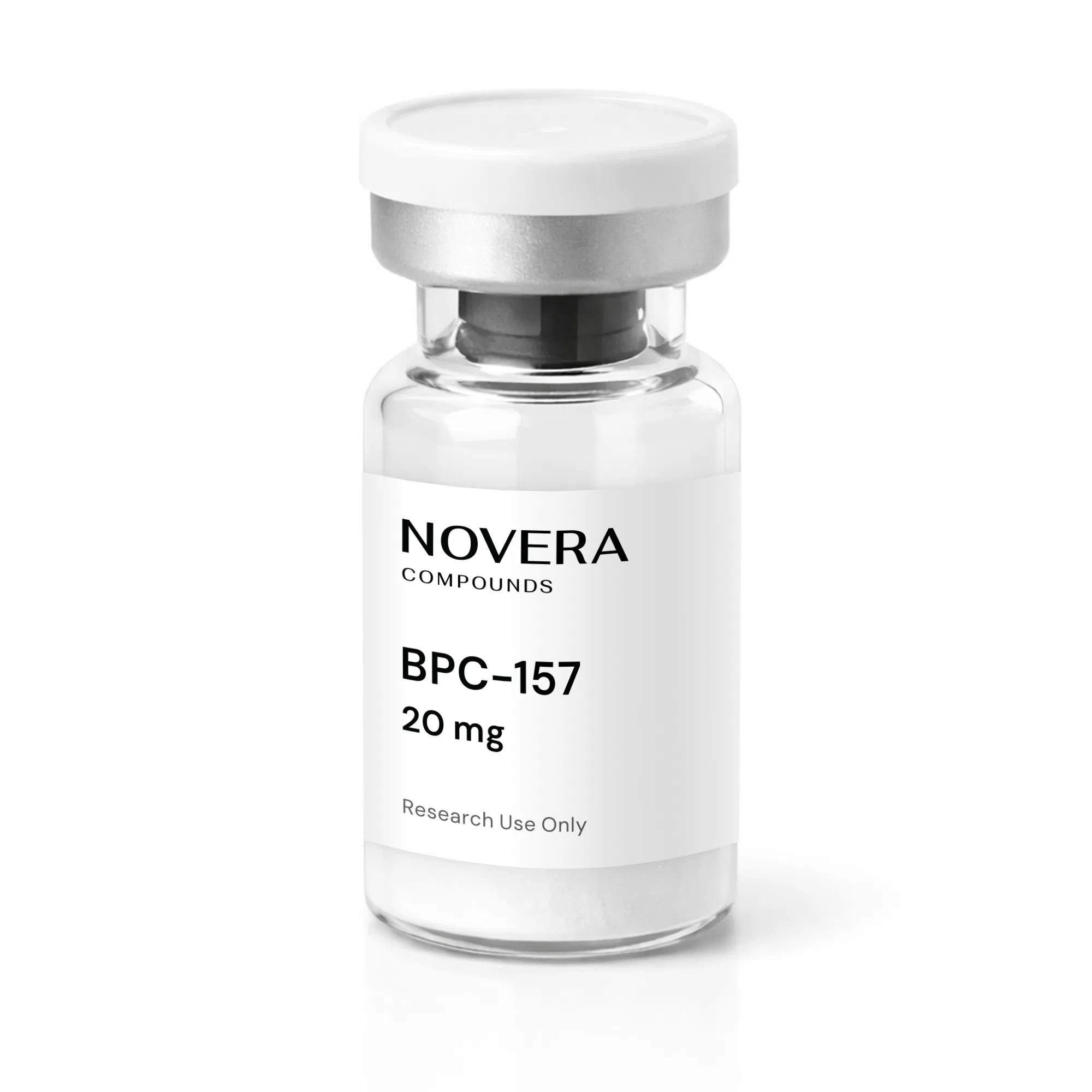
Why I include an image in the buying workflow
When I review research-peptide products, a quick visual check of the label design and vial presentation can catch obvious mismatches (wrong strength display, unclear labeling, or inconsistencies with listing text). It’s not proof of purity, but it’s useful for preventing order mistakes.
Quality Signals vs. Marketing: What Actually Predicts Buyer Success
In many ordering experiences, buyers focus on claims rather than operational signals. From my work, better outcomes correlate with:
| What you look for | Why it matters | How it shows up |
|---|---|---|
| Traceable batch/lot references | Helps you track and troubleshoot variability across orders | Batch/lot numbers mentioned with documentation |
| Consistent labeling details | Reduces reconstitution and calculation errors | Clear stated strength, format, and quantity |
| Storage and handling guidance | Improves stability after receipt | Explicit temperature/storage directions and packaging notes |
| Documentation that matches the batch | Supports identity/purity verification for that specific product run | COA-style info referencing the same lot |
Limitations to keep in mind
- Documentation isn’t a guarantee: Even with a COA-like document, interpretation matters and it still may not reflect every practical use scenario.
- Even “correct” math can go wrong: Reconstitution errors come from volume measurement, labeling confusion, or inconsistent record-keeping.
- Research peptides vary in regulatory status: You’re responsible for complying with your local laws and intended use conditions.
Practical Next Step: A Simple Pre-Order Checklist
Before you finalize an order bpc 157 (20mg) purchase, do this fast checklist in one session:
- Open the product page and confirm strength is exactly 20mg and quantity matches what you intend to receive.
- Check for batch/lot traceability (if offered) and ensure any documentation references the same batch.
- Write down your planned reconstitution volume so you can calculate working concentration (mg/mL) before the product arrives.
- Confirm storage guidance and make sure you can receive and store it promptly when it lands.
If you want, paste the product-page details you’re seeing (strength text, quantity, and any handling instructions), and I’ll help you spot inconsistencies and translate the label into a clear calculation workflow.
FAQ
What does it mean to order BPC-157 “20mg”?
It generally refers to the total amount of BPC-157 powder per vial (commonly 20mg). The number alone doesn’t tell you mg/mL until you choose a reconstitution volume.
How can I avoid common ordering mistakes with research peptides?
Verify strength and vial count, check whether batch/lot references and documentation align, and confirm the seller’s handling/storage guidance—then plan your reconstitution math before delivery.
Is there anything in the product image that I should check?
Use the image as a sanity check for label clarity and strength display, but treat documentation and stated product details as the primary verification inputs.
Conclusion
Ordering bpc 157 (20mg) is less about the headline and more about operational clarity: confirm the exact strength and quantity, look for batch traceability where available, align any documentation to the same batch, and set up your reconstitution calculations and storage plan before the package arrives. My best “time saved” lesson is that the highest-risk mistakes come from mismatched assumptions between the listing and your math.
Action step: Open the product listing you plan to buy and write down (1) vial count, (2) total mg indicated, and (3) your intended reconstitution volume so you can compute mg/mL immediately—before checkout.
Discussion